The government shut down increased the strain on many households, and on November 1st, the delay of SNAP benefits created a food security issue across the nation, including in the Bering Strait Region. Thanks to the foresight of the Kawerak Board of Directors in creating a “rainy day fund,” Kawerak was able to respond quickly to alleviate some of the need in the 15 villages in our region and in Nome.
First, Kawerak received numbers from the State on the amount spent in the region on SNAP distribution. The Bering Strait Region averaged 862 cases per month in 2024 and the region received an average of $1,245,707.66 per month in that same time period, to provide supplemental food assistance. For regional distribution, 2020 census numbers from Nome and the 15 villages were used to divide the funds based on population. The math indicated we were able to provide the equivalent of a week’s worth of benefits in the form of food assistance for the region.
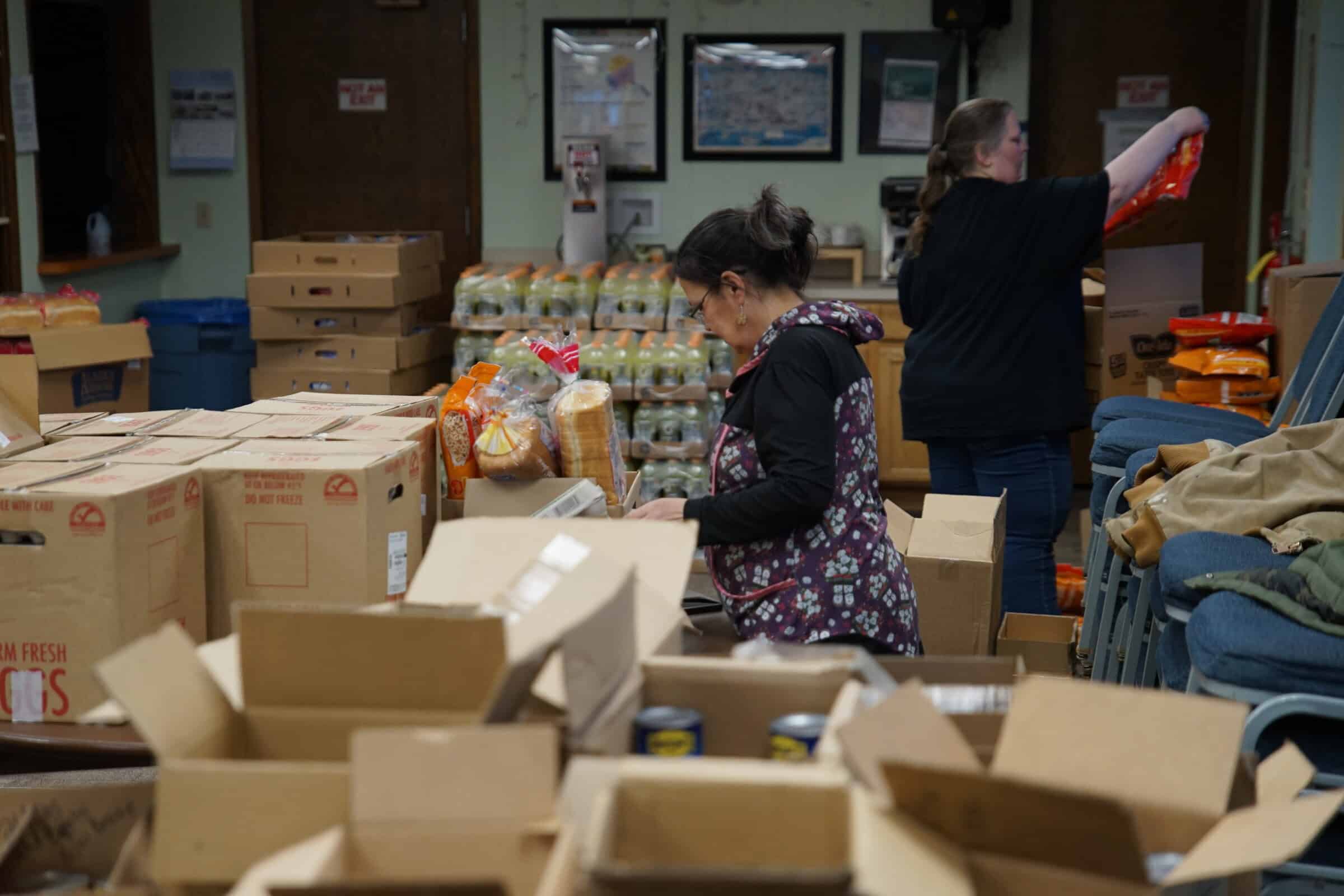
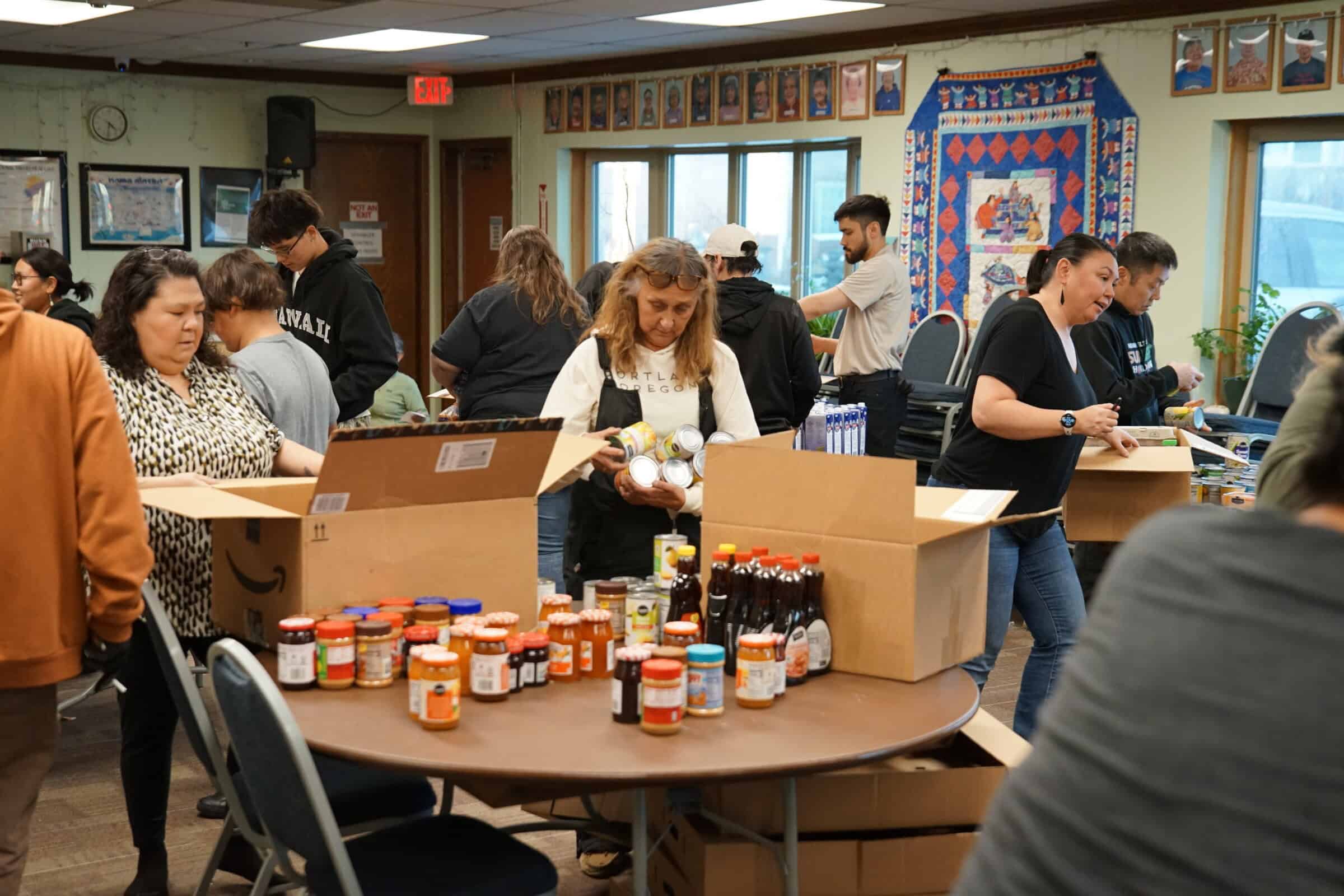
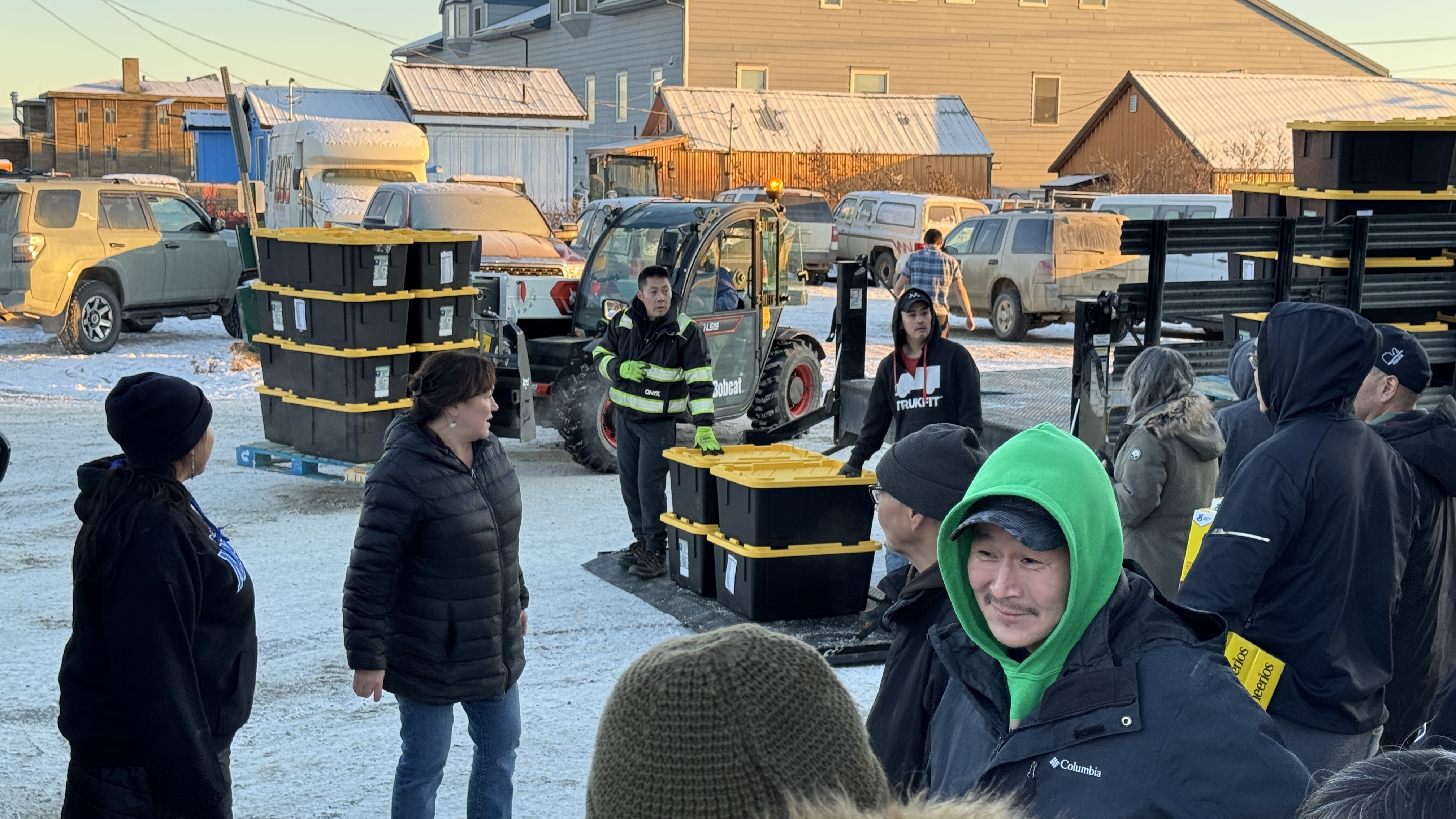
Racing the clock, the funds were then transferred to hosts to purchase food that could be appropriately distributed through the community to anyone who needed it (tribal affiliation not required). In Nome the Nome Community Center stepped up to accept the funds and coordinate the distribution efforts, alongside volunteers from Kawerak, Sitnasuak, NSHC and BSNC, with the Nome Eskimo Community providing bus service in Nome. Village Tribes received the funding from Kawerak to coordinate distribution locally. We appreciate everyone who stepped up at this time to support their families, friends and neighbors.
Kawerak would especially like to recognize our sister organization, Norton Sound Health Corporation for providing financial assistance for this effort during our region’s time of need. Many hands make light work, and our region was able to pull together to provide families some much needed help. “We Take Care of Each Other” is one of our Alaska Native values, and Kawerak expresses gratitude to all who helped with this effort.