Beginning in 2024 and continuing into 2025, the Contaminated Sites program made significant progress for site cleanup and visioning in the community of Teller, Alaska.
The Teller Basketball Court Tank Site consisted of nine large fuel tanks and one small propane cylinder and was located next to the community’s basketball court.
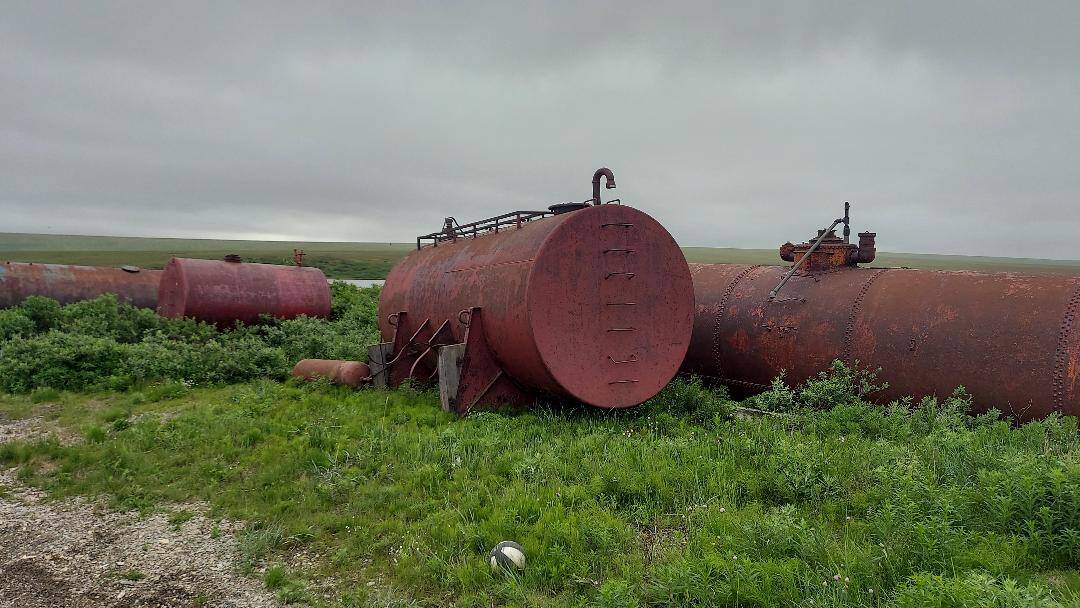
Community members expressed concerns about the potential health and safety risks from possible contamination of the surrounding soil due to the presence of these tanks. In response to these concerns, the Contaminated Sites program took proactive measures to remove the tanks from the site. An environmental contractor was hired to conduct soil and water sampling at the site. The testing was comprehensive and aimed at identifying any petroleum-related contaminants. The results were reassuring: no contamination was detected in the soil or water near the basketball court. This outcome provided peace of mind to the community and confirmed that the area remains safe for recreational use.
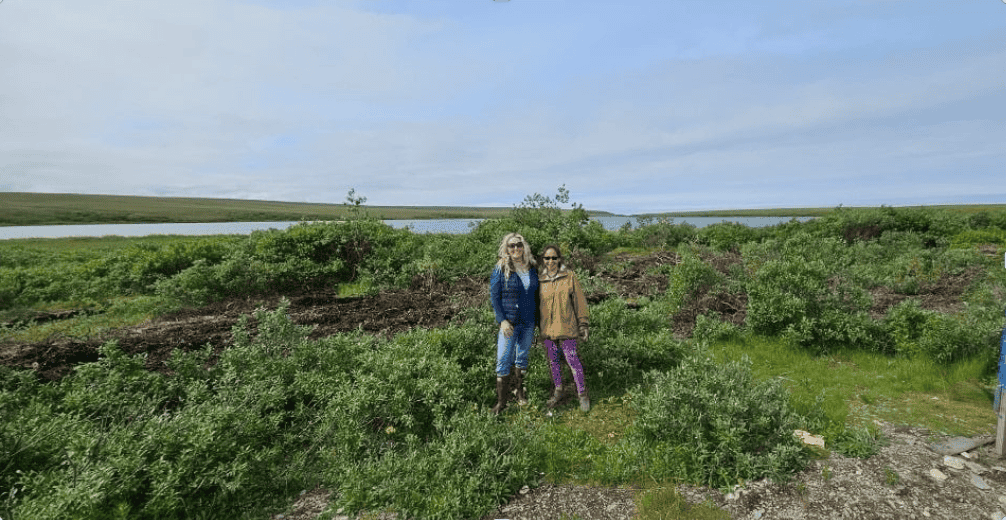
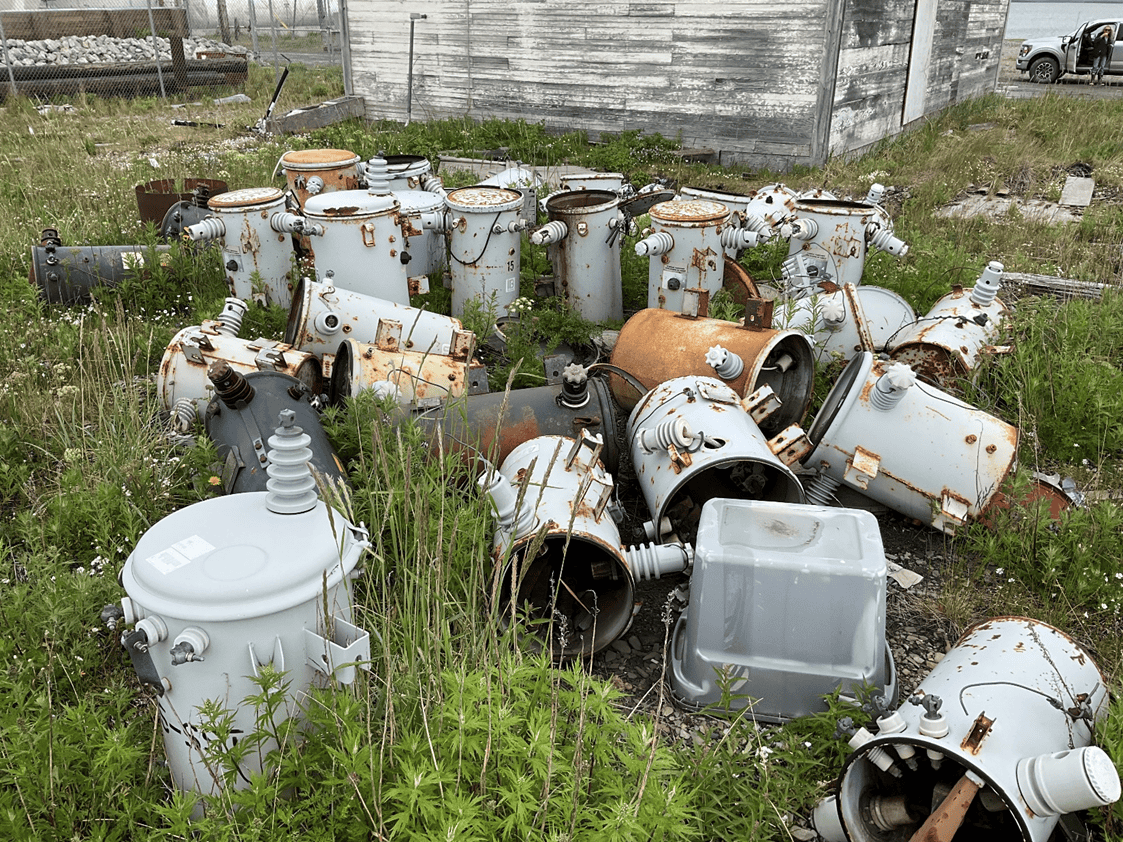 The second site addressed was the Teller Former Transformers Site, located off Front Avenue near the coastline. This site contained more than two dozen old transformers that had been left exposed on the ground. There was a strong potential that these transformers leaked harmful substances such as polychlorinated biphenyls (PCBs) as well as other contaminants into the area. We contacted the ADEC for assistance with site evaluation resulting in a hired contractor by AVEC to remove the transformers from the site in the summer of 2025.
The contractor excavated 31 super sacks of contaminated soil that were shipped off via barge to Anchorage for thermal remediation. The site was resampled, and the results will determine if the contamination was adequately removed. If the sampling comes back that the contamination has been contained, local fill will be placed. If more contamination exists, further excavation of soil will happen in 2026. This is great progress!
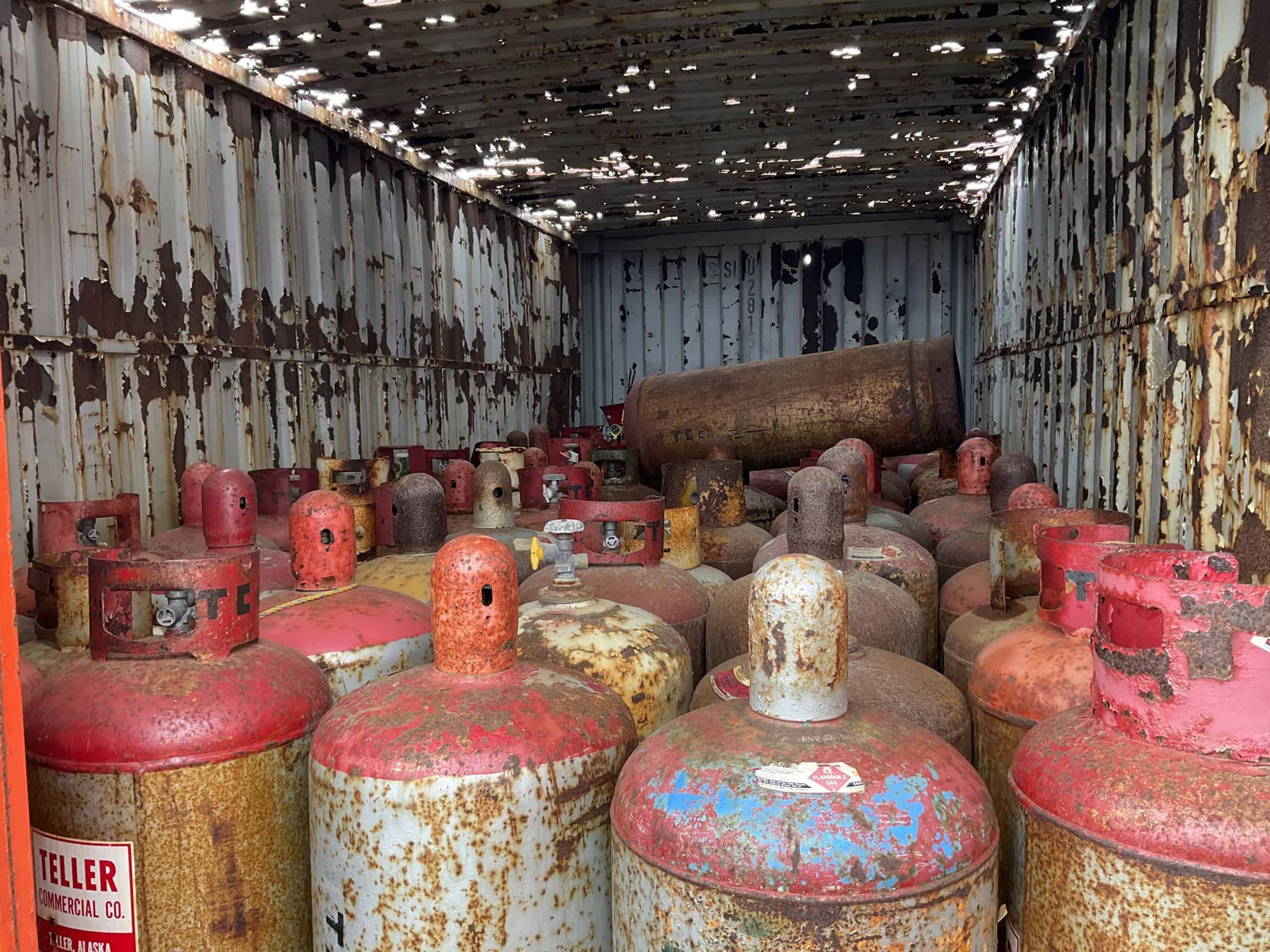 There was also a connex that was full of old propane tanks located in Teller. The connex was dilapidated and the doors could not be secured shut. Kawerak was able to secure funding to remove the connex from the community in the summer of 2025.
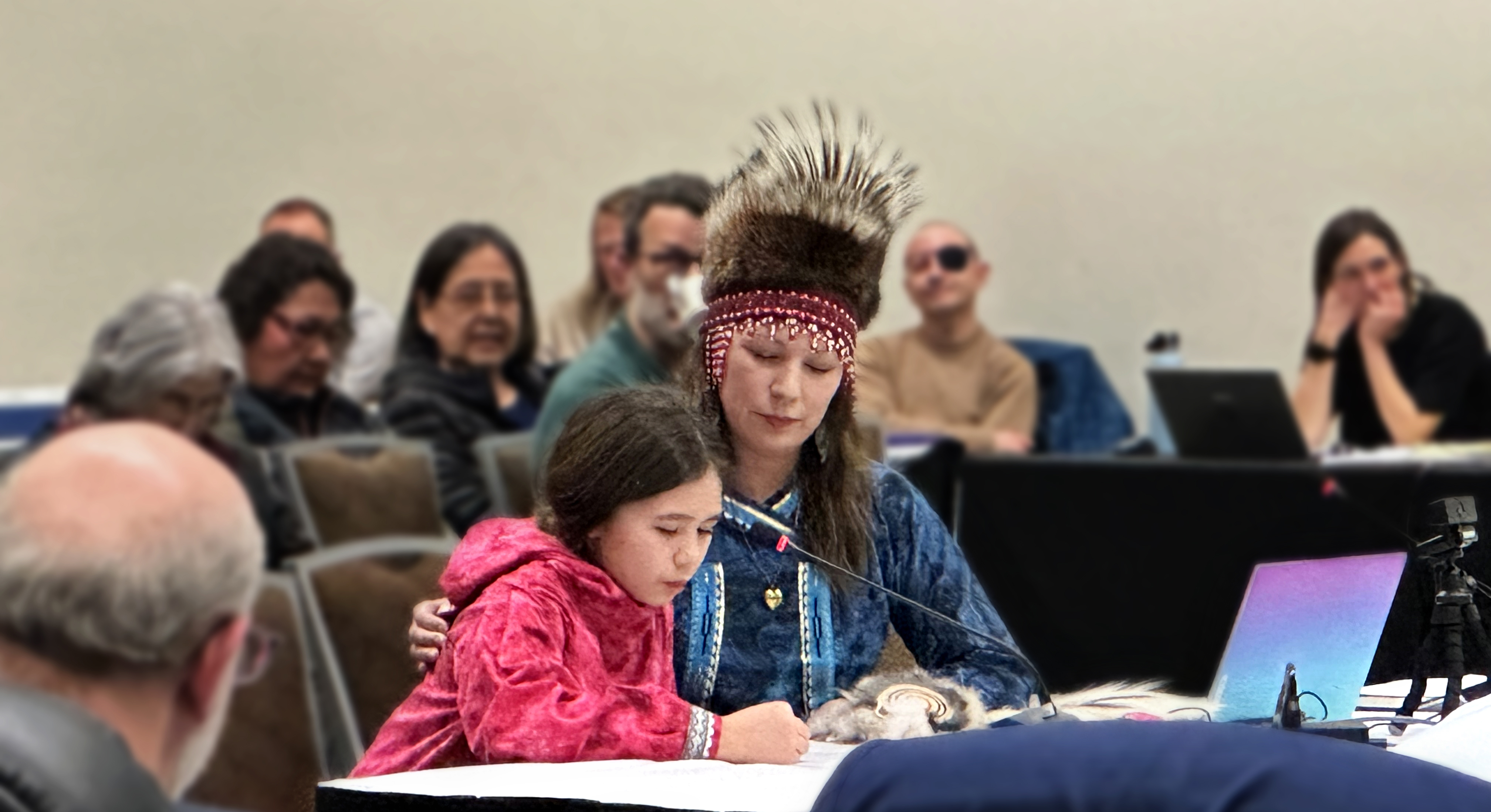
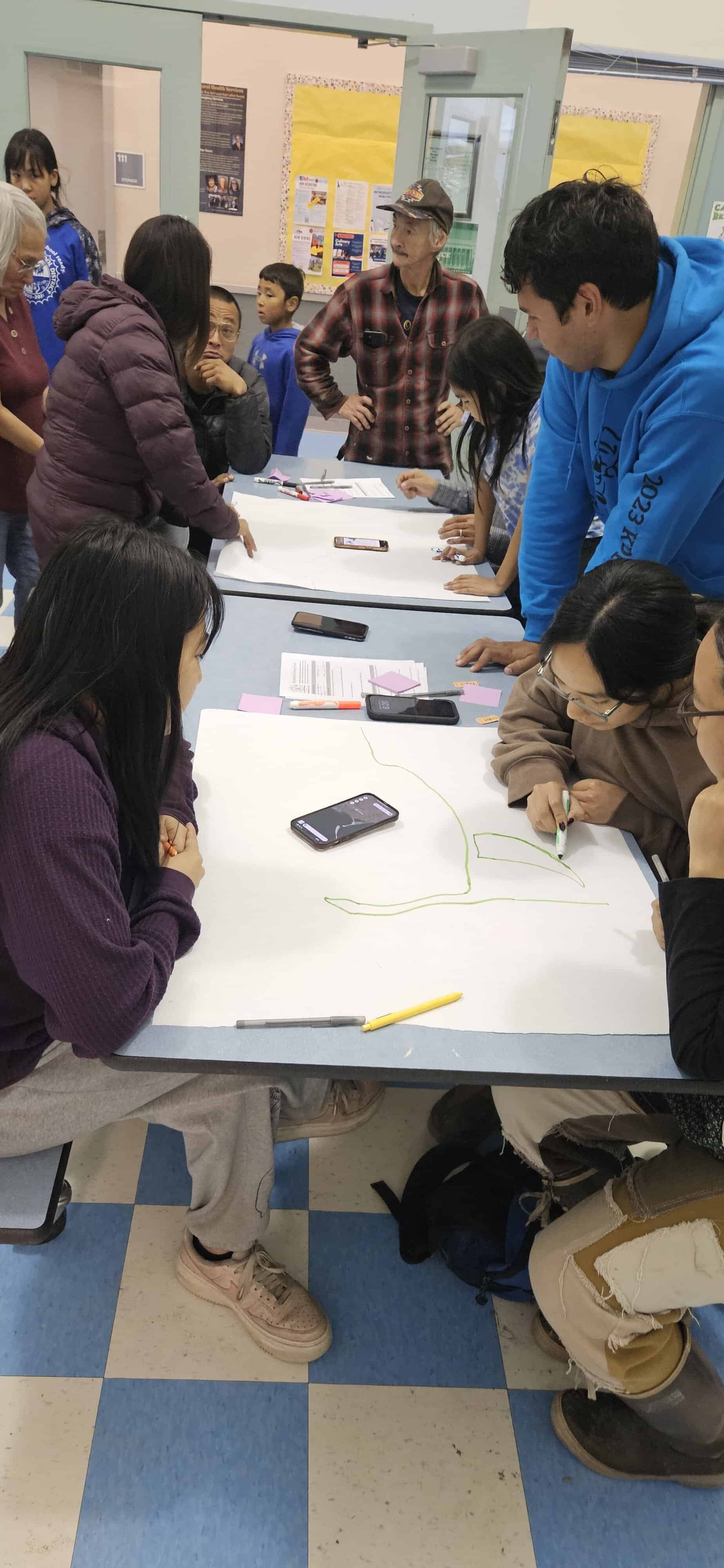 In September 2025, our program partnered with the University of New Mexico’s Indigenous Design and Planning Institute to host a Community Reuse Visioning Meeting in Teller. This collaborative event engaged residents in meaningful dialogue about future desires for their contaminated sites, once cleanup is completed. The meeting was a success! Participants shared ideas that will be turned into beautiful posters that can be used to secure funds for the future projects.
These efforts reflect our program’s ongoing commitment to environmental stewardship in our communities.